
When a family faces the loss of someone they love, or sits down to plan for their own future, decisions about final care can feel overwhelming. Many families in Utah find themselves weighing the difference between direct cremation vs cremation with memorial service options. Knowing what each path involves gives you room to breathe, consider your personal priorities, and choose an arrangement that brings comfort to those left behind.
Neither choice is right or wrong. Every family holds distinct values, financial circumstances, and emotional needs. By understanding the core distinctions between direct cremation and a service accompanied by a memorial gathering, you can make a thoughtful decision without pressure or hurry.
What Is Direct Cremation?
Direct cremation refers to a simple, dignified disposition that takes place shortly after death, without formal ceremonies beforehand. When a person passes away, they are transferred into the care of the funeral home, where the required legal documentation and permits are completed. Once authorization is granted, the cremation process occurs in a respectful manner, and the cremated remains are placed in an urn or temporary container to be returned to the family.
In this arrangement, there is no public viewing, visitation, or funeral service scheduled directly through the funeral home before the cremation occurs. For families who prefer complete privacy, or who wish to avoid traditional ceremonies, direct cremation offers an uncomplicated approach. It handles the practical, legal, and physical necessities of final disposition quietly.
Opting for direct cremation does not mean a family cannot honor their loved one. Rather, it separates the physical disposition from any future gathering. Some families choose this path because they need time to process their loss before deciding how, where, or even if they wish to gather relatives and friends.
What Is Cremation with a Memorial Service?
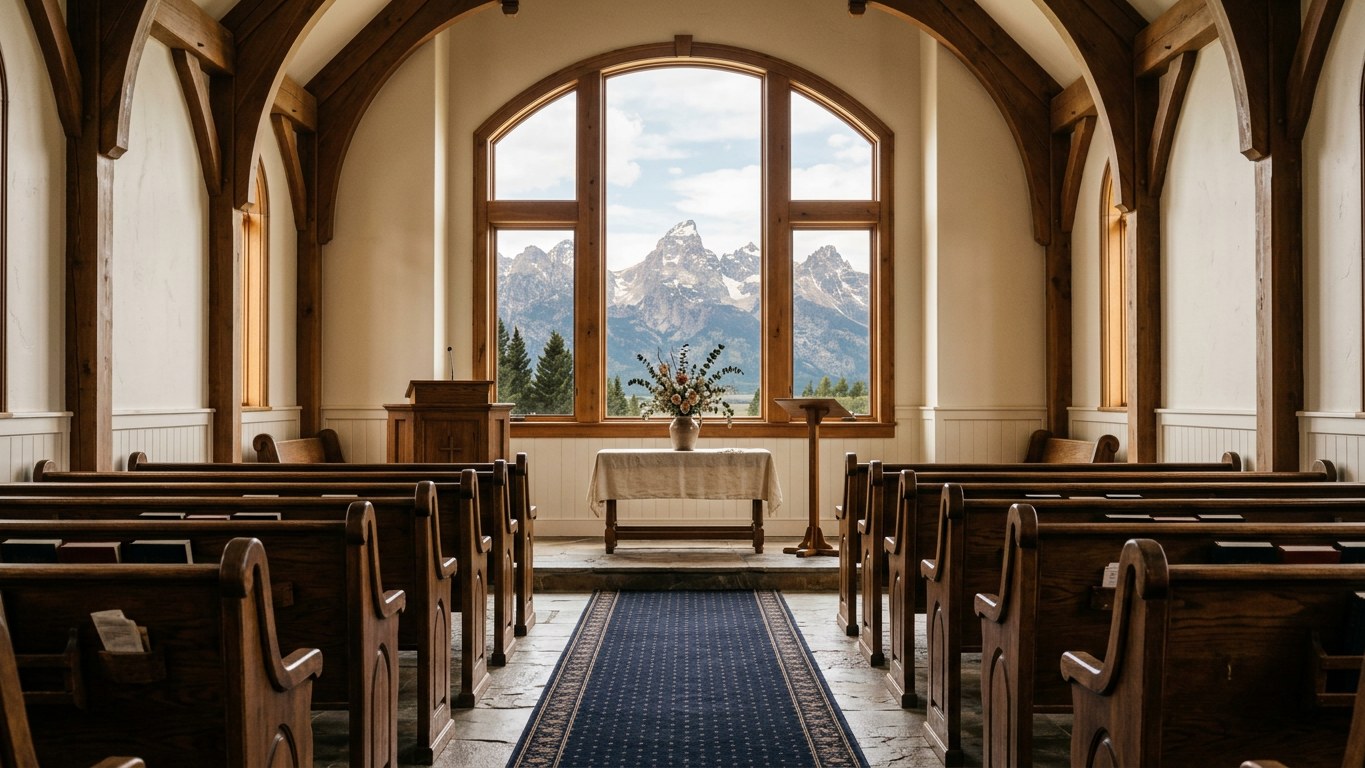
Cremation with a memorial service combines the practicality of cremation with a dedicated communal gathering to honor the person who has passed. Unlike a traditional funeral where the casket is typically present during the service, a memorial service usually takes place after cremation has occurred. The urn may be set in a place of honor at the front of the room, often surrounded by photographs, keepsakes, and floral tributes.
This option provides a focal point for grief, comfort, and community support. It allows family members, neighbors, and friends to come together, share memories, offer condolences, and acknowledge the reality of the loss. If you find yourself asking can you have a funeral with cremation in Salt Lake City, Utah?, the answer is yes. Cremation simply represents the method of physical disposition, leaving the format and style of the gathering open to your family's wishes.
Memorial services can be formal or informal. They can take place in a funeral home chapel, a family church, a community venue, or an outdoor space. The setting can reflect religious liturgy, cultural customs, or a secular commemoration of life.
Key Differences: Comparing Both Paths
To help guide your family's conversation, it can be useful to look at the primary elements where direct cremation and memorial gatherings diverge. Both options treat your loved one with steady reverence, but they serve different emotional and logistical needs.
- Ceremony and Gathering: Direct cremation involves no structured public gathering organized with the mortuary. Cremation with a memorial service centers on bringing a community together to grieve and share stories.
- Timing and Flexibility: Direct cremation follows standard practical timeframes for legal authorization and care. A memorial service can be held immediately, weeks later, or even months into the future, providing extensive scheduling flexibility.
- Urn and Keepsakes: While both paths involve returning the cremated remains to the family, a memorial service frequently incorporates a decorative urn, framed photos, and personalized displays as a centerpiece for the ceremony.
- Coordination Requirements: Direct cremation requires fewer decisions regarding service programs, music, speakers, and venue setups. A memorial service requires some coordination, though funeral directors handle the practical burdens to give families space to reflect.
Understanding these practical differences helps eliminate confusion, allowing you to focus on what will truly bring peace to those who are mourning.
Comparing the Cost and Logistics
Financial considerations often play a part in final planning. Direct cremation is generally the most economical arrangement because it eliminates expenses associated with facility rentals, ceremony staff, printed memorial programs, and public visitation arrangements. To explore what influences final expenses, our guide on understanding funeral costs in Utah breaks down the various factors involved.
With a memorial service, additional costs may involve the use of chapels or event facilities, professional staffing for the gathering, guest books, audiovisual setups, and floral arrangements. Families who select this option often view these elements as a meaningful investment in communal support and shared comfort.
Logistically, a memorial service offers substantial peace of mind for families who have relatives living far away. Because the cremation takes place first, there is no pressing deadline to hold the gathering immediately. Relatives can coordinate travel across states or seasons, gathering when the family feels ready and rested.
Emotional Benefits and the Importance of Gathering

Grief can be isolating. When someone dies, routine routines pause, and the emotional impact can feel heavy. Psychologists and bereavement counselors often emphasize the value of rituals and gatherings in helping the human mind process finality.
A memorial service provides a tangible space where grief is acknowledged collectively. Standing alongside neighbors, colleagues, and extended family reminds the immediate family that their loved one mattered to many people. Listening to stories and receiving quiet embraces often forms the foundation for healing in the weeks that follow.
Conversely, some individuals and families feel overwhelmed by public gatherings. For those who process grief best in quiet contemplation, direct cremation allows them to absorb the reality of the loss privately. Even when direct cremation is chosen, families may later decide to hold an informal backyard dinner, a private hike to scatter remains, or a small family prayer at home.
Faith, Culture, and Cremation Options in Utah
Utah is home to diverse communities, faiths, and personal traditions. Religious beliefs and cultural practices often inform whether a family leans toward direct cremation or an organized gathering.
Members of The Church of Jesus Christ of Latter-day Saints, for example, often value services that focus on faith, family unity, and eternal life. While traditional burial has deep roots in Latter-day Saint culture, cremation is accepted when chosen by the family, and memorial services can be held in local ward meetinghouses or funeral home chapels.
In the Catholic tradition, the preference is to celebrate the Order of Christian Funerals with the body present, followed by cremation if desired. However, when cremation takes place first, a memorial Mass may be celebrated with the cremated remains present, which are then brought to a sacred resting place, such as a cemetery or columbarium.
Protestant, Christian, and Evangelical families frequently welcome memorial services as a balance of personal remembrance and scripture, while traditions such as Buddhism and Hinduism have long-standing cremation customs that involve specific rituals and prayers. For families who identify as secular or humanist, a non-religious gathering or celebration of life focuses entirely on personal memories, passions, and legacy without doctrinal elements.
Selecting Urns and Permanent Resting Places
Regardless of whether you choose direct cremation or a gathering, you will eventually decide on a final resting place for your loved one's cremated remains. Having a permanent place to visit can provide lasting comfort over the years.
Many families choose to place an urn in a cemetery columbarium niche, an indoor mausoleum, or buried in an established family cemetery plot. Others choose to keep an urn at home, or divide small portions of remains among family keepsakes. If your family wishes to explore suitable vessels, you can review our selection of urns designed for display, burial, or scattering.
Scattering remains in a beloved Utah mountain range, desert vista, or family property is another path. When planning to scatter, families should confirm local regulations and obtain necessary permissions. Funeral staff can guide you through the practical guidelines for scattering cremated remains respectfully and legally.
How to Decide Which Option Fits Your Family
When you are trying to choose between direct cremation and cremation paired with a memorial gathering, stepping through a few gentle questions can bring clarity:
- Did your loved one leave written instructions? Honoring stated wishes can remove doubt and provide relief to surviving relatives.
- Do family members need time together to grieve? If extended family and friends would benefit from seeing one another, sharing food, and speaking memories aloud, a memorial service is worth considering.
- What is the family budget? Choosing direct cremation can relieve immediate financial worry, allowing you to keep final arrangements strictly within your means.
- Where do key family members reside? If relatives must travel long distances, delaying a service until a holiday or summer month may be far more practical.
- Would a private tribute feel more natural? If the person was quiet and preferred simplicity, a private direct cremation followed by a quiet family walk may feel most authentic.
Take your time with these considerations. There is no need to make snap judgments before you have gathered the facts and listened to your family's feelings.
Guidance and Support as You Make Your Decision
Choosing between direct cremation and cremation with a memorial service comes down to how your family wishes to remember, reflect, and support one another. Both paths honor the life that was lived, and both provide a dignified transition. Direct cremation offers simplicity, quietude, and financial prudence. A memorial service brings people together, honoring relationships and offering a shared beginning to the healing process.
If you have questions about these choices, or wish to explore personalized options for cremation services, the compassionate team at Larkin Mortuary is here to assist. Family-owned and serving Utah families since 1885, we provide clear information, a complete written General Price List, and unhurried support whenever you are ready. You are welcome to contact us at any time to talk through your family's wishes.
Frequently asked questions
Can we hold a memorial service months after a direct cremation?
Yes. One of the primary advantages of cremation is scheduling flexibility, allowing families to arrange a memorial gathering weeks or months later when relatives can travel.
Is an urn required for a memorial service?
An urn is not legally required for a service, but families often choose a decorative vessel to serve as a meaningful centerpiece accompanied by flowers and photos.
Can we have a viewing if we choose cremation?
Yes. Families can arrange a private or public viewing prior to the cremation process taking place, or choose a memorial service where the urn is present afterward.
Does direct cremation mean we cannot have any gathering at all?
Not at all. Direct cremation simply means the mortuary does not coordinate a formal ceremony beforehand; your family is free to hold an informal gathering at home, outdoors, or at a later date.
How do costs differ between direct cremation and a memorial service?
Direct cremation is more economical because it excludes chapel use, printed stationery, and staffing for public events. A memorial service adds facility and coordination costs to support a communal gathering.